
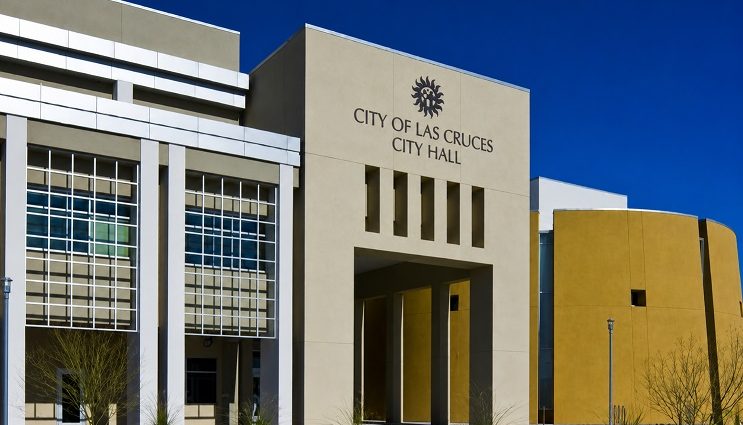

LAS CRUCES – The Las Cruces City Council is expected to consider repealing an ordinance that critics say allowed certain city committee meetings to be conducted outside public view, a move that has sparked concerns about government transparency and compliance with New Mexico’s Open Meetings Act.
The issue centers on an ordinance adopted by the city that created a special process for some advisory committees and task forces. Critics, including advocates for open government, argued that the ordinance could allow city business to be discussed without the level of public access normally expected under state law.
The New Mexico Foundation for Open Government raised concerns about the ordinance and urged city officials to reconsider the policy, saying public business should be conducted in meetings that are open and accessible to residents.
City officials have indicated they intend to repeal the ordinance and return to procedures that more closely align with New Mexico’s Open Meetings Act, which is designed to ensure government decisions are made in public and that citizens have an opportunity to observe and participate in the process.
The controversy has drawn attention because advisory committees often discuss issues that eventually come before the City Council for action. Supporters of repeal argue that allowing those discussions to occur in public strengthens transparency and public trust in local government.
Las Cruces City Council meetings are already open to the public and are broadcast and archived for public viewing. The council also conducts work sessions to allow for more detailed discussion of city issues before formal action is taken.
The proposed repeal is expected to be considered during an upcoming City Council meeting. If approved, the change would eliminate the ordinance and restore public access expectations for the affected committees.
The issue has become part of a broader discussion about transparency, public participation and accountability in local government, with supporters of repeal arguing that residents should be able to observe discussions that may influence future City Council decisions.
KVLC 101 Gold- 101.1 FM- Classic Hits